
Eden, NC- On the afternoon of Jan. 30, 2026, Tanya Gatewood received a call that would go on to change her life. It was about 1 p.m., and she was sitting at her desk in the Human Resource office at Rockingham County Schools. After undergoing a biopsy the day before, Gatewood knew this was the moment she would learn whether or not she had breast cancer. It turned out, she did, and it was Stage II.
In late Dec. 2025, Gatewood was lying in bed, ready to go to sleep just like any other normal night. She was stretching when she felt a lump in her right breast. It felt spongy, which is the opposite of what she always heard a cancerous lump felt like. She believed they were always hard like a rock, but she later learned cancerous lumps can come in different forms. Gatewood had been getting yearly mammograms since she was 40 years old. She had just turned 51 when she discovered the lump and was two weeks away from her next exam. Given that she had never shown signs of breast cancer and only one family member had ever been diagnosed, she did not think much about it and waited the two weeks to be screened. What she didn't know is that breast cancer can double in size within weeks, and by the time you can feel a cancerous lump, the cancer has likely been in the body for years and has had enough time to spread, according to the Robert W. Franz Cancer Research Center at Providence Portland Medical Center.
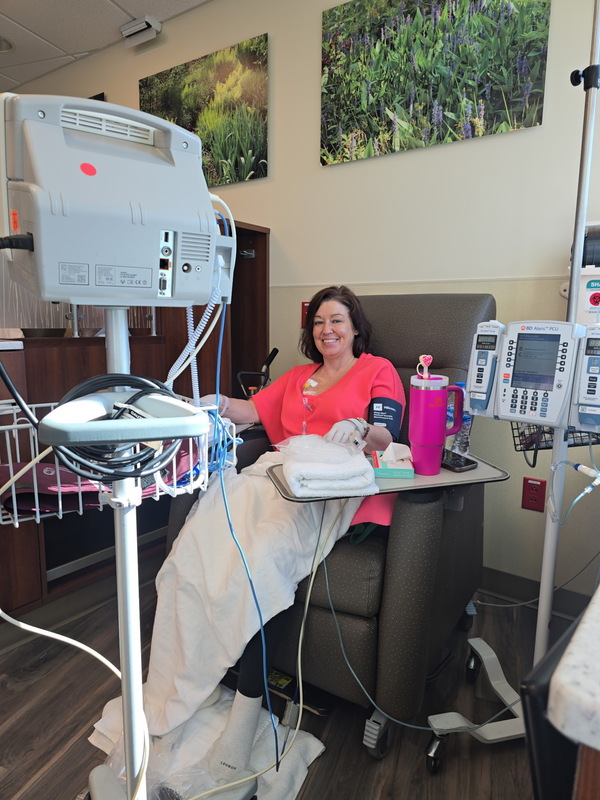 Gatewood's doctors told her the cancer was Stage II, and she tested positive for triple-negative breast cancer (TNBC), which is a rare form of invasive breast cancer that only accounts for 10-15% of all breast cancers, according to the American Cancer Society. The ACS says TNBC has fewer treatment options than other types of invasive breast cancer, because the cancer cells do not have enough estrogen or progesterone receptors for hormone therapy to work. So, treatment for Gatewood started right away. On Feb. 2, 2026, three days after receiving the cancer-confirming call, she got her port and was ready to start chemotherapy, although the stress of how her body would react kept her up at night.
“I was sitting on the couch one day, and I was praying and praying. I said ‘Ok, Lord. I’ve got to have peace about this.’ I was so worried that even functioning was difficult. I couldn’t get my mind off of it.”
Two weeks after her getting her port, the first of 16 rounds of chemo began. The initial 12 rounds were given once a week, always on a Monday. By Wednesday each week, Gatewood's body would begin to feel the effects.
“The fatigue, the tiredness –It was something I had never felt before in my life.”
Despite not being able to work and fighting against the chemo while her husband and two sons were away at work every day, she forced herself to keep a sense of normalcy.
“I always told myself that I’m getting up every morning. I’m going to take my shower. I’m going to get out of bed. Even if it’s just going downstairs and sitting on the couch, I’m not staying in bed, and I didn’t.”
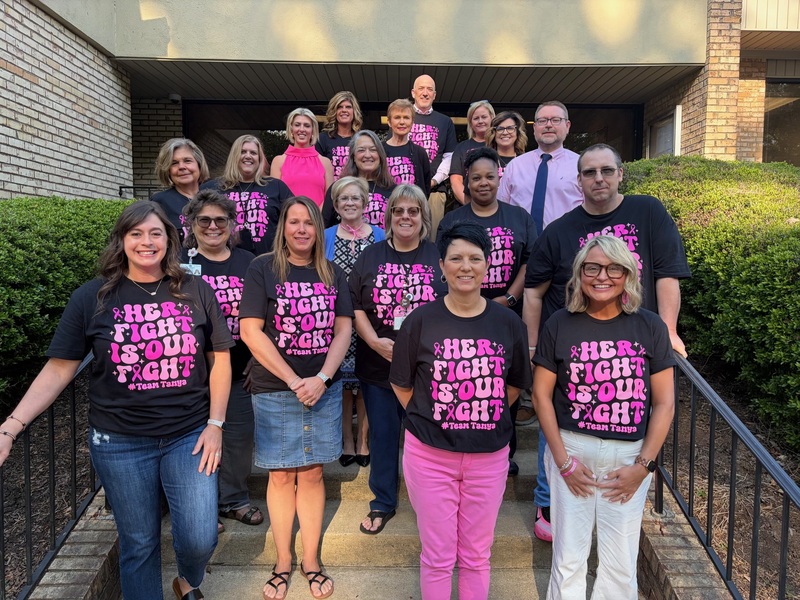
It was during the last four rounds of chemo, known as "the red devil" but referred to by Gatewood as "the red blood of Jesus," that things started to take a turn and the "normal" daily routine she created would be interrupted by extreme fatigue. She could no longer get herself up to make dinner or do chores. She had to depend on her husband and sons to get meals, and they were more than willing to do whatever needed to be done to support her. They weren't alone. Gatewood says her support system throughout her fight was "unexplainable." Not only did family step up, but her coworkers made t-shirts in her honor and brought her baskets and gift cards to help her and her family financially.
Even with all of the love and generosity, she says the biggest thing that got her through the hardest time of her life was her faith.
“I always tell people that my cup overflows, and if you look for God in everything, you will find him, but you have to choose to look.”
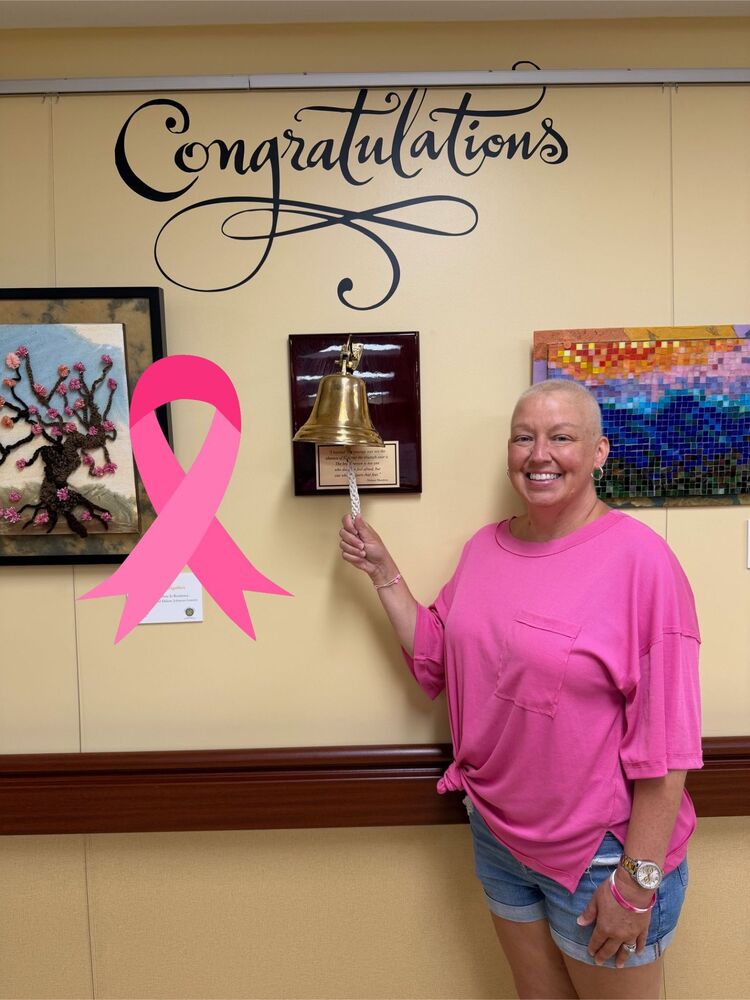
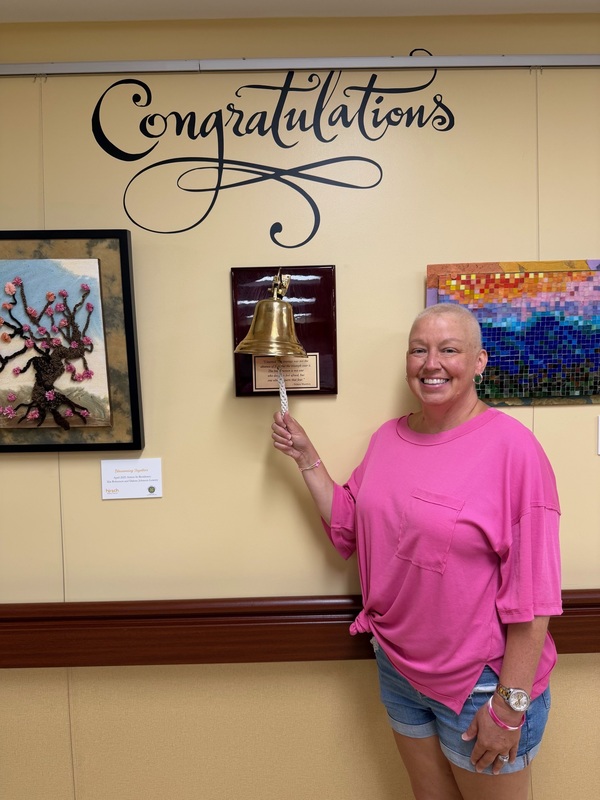
During the moments of frustration and anger, she turned to the Lord and her favorite scripture Philippians 4:13 "I can do all things through Christ who strengthens me." Gatewood credits her faith and conversations with God for how her battle with cancer went. She says even though she was scared she would constantly be in and out of the hospital with illnesses from her treatments, she only got sick three times over the course of six months but was never admitted to the hospital. She completed chemotherapy in July and underwent a lumpectomy on Aug. 28 and was told there was no sign of the disease and that she had a complete chemotherapy response —That's when she rang the bell for the first time! By Sept., she was back at work before starting radiation in Oct. Following 15 treatments, she rang the bell again with her work family by her side on Nov. 4.
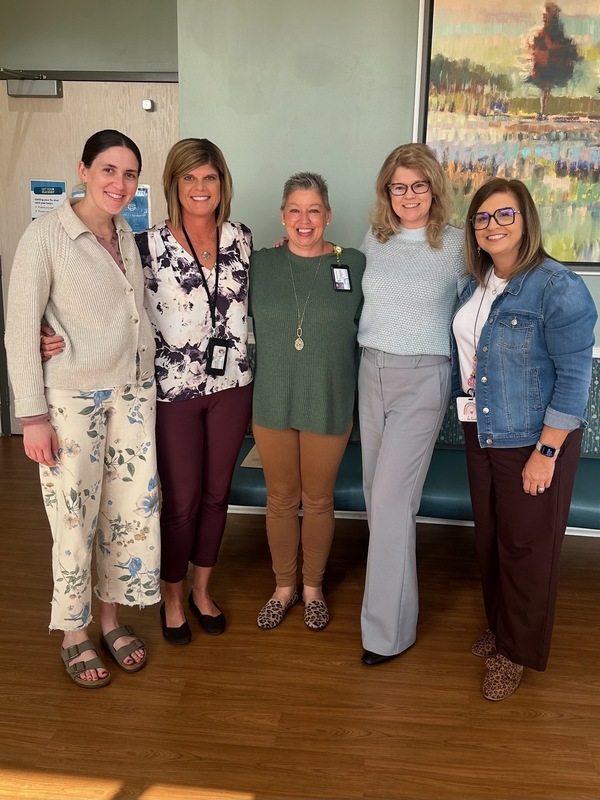
“It’s been a God-given walk that I could have never done, never, without Him being by my side and leading the way, holding my hand, and speaking to me through one of the hardest chapters I’ve ever had. Why this happens –we’ll never understand these things until we’re there [heaven], and when we get there, we’re not going to be concerned about asking Him why.”
Gatewood has three more immunotherapy infusions left before she can get her port taken out, which is expected to be in Feb. 2027. After that, she will have an MRI done every six months, and her lymph nodes will be checked for lymphedema for the next few years.
Now cancer free, she urges everyone to get mammograms every year, saying early detection is key. The ACS recommends screenings to start at 40 years old for women, although recent findings from the Breast Cancer Research Foundation show the number of women under 50 being diagnosed with breast cancer is rising at a pace of about 1.4% per year. It's currently the leading cause of cancer death in the U.S. among women aged 20-49. And although breast cancer is less common in men, the ACS recommends men to consider genetic testing if there's a strong family history of cancer (including breast, ovarian, pancreatic, and/or prostate), someone else in their family is known to have a mutation in the BRCA1 or BRCA2 gene or other genes that increase risk, or if they have or have had breast cancer.